
Evening plans need a route home.
Arrival
Before the terminal Wi-Fi fades
A calm look at what can be prepared before a flight and what belongs to the first hour on the ground.

Field notes / Europe
A practical travel magazine for people who want their map, message, rail ticket and bearings to arrive with them.
The arrival note
The plane door opens, the cabin loses its signal, and the ordinary work of being somewhere new begins: find the platform, tell a host you are close, pull up the address you saved too late.
We make room for that small interval. esimgu. is an independent editorial resource about digital eSIM choices and the habits that make mobile connectivity abroad less distracting. Start with our field guide to staying connected across Europe.
Dispatches
These are not product picks. They are small, useful pieces of travel context: the moments in which a digital SIM is handy, the moments in which it is not, and the questions worth asking before a departure board starts changing.
Evening plans need a route home.
Arrival
A calm look at what can be prepared before a flight and what belongs to the first hour on the ground.

A city is easier with an offline map too.
Central Europe
Country notes for a route that crosses familiar borders but changes the practical details.
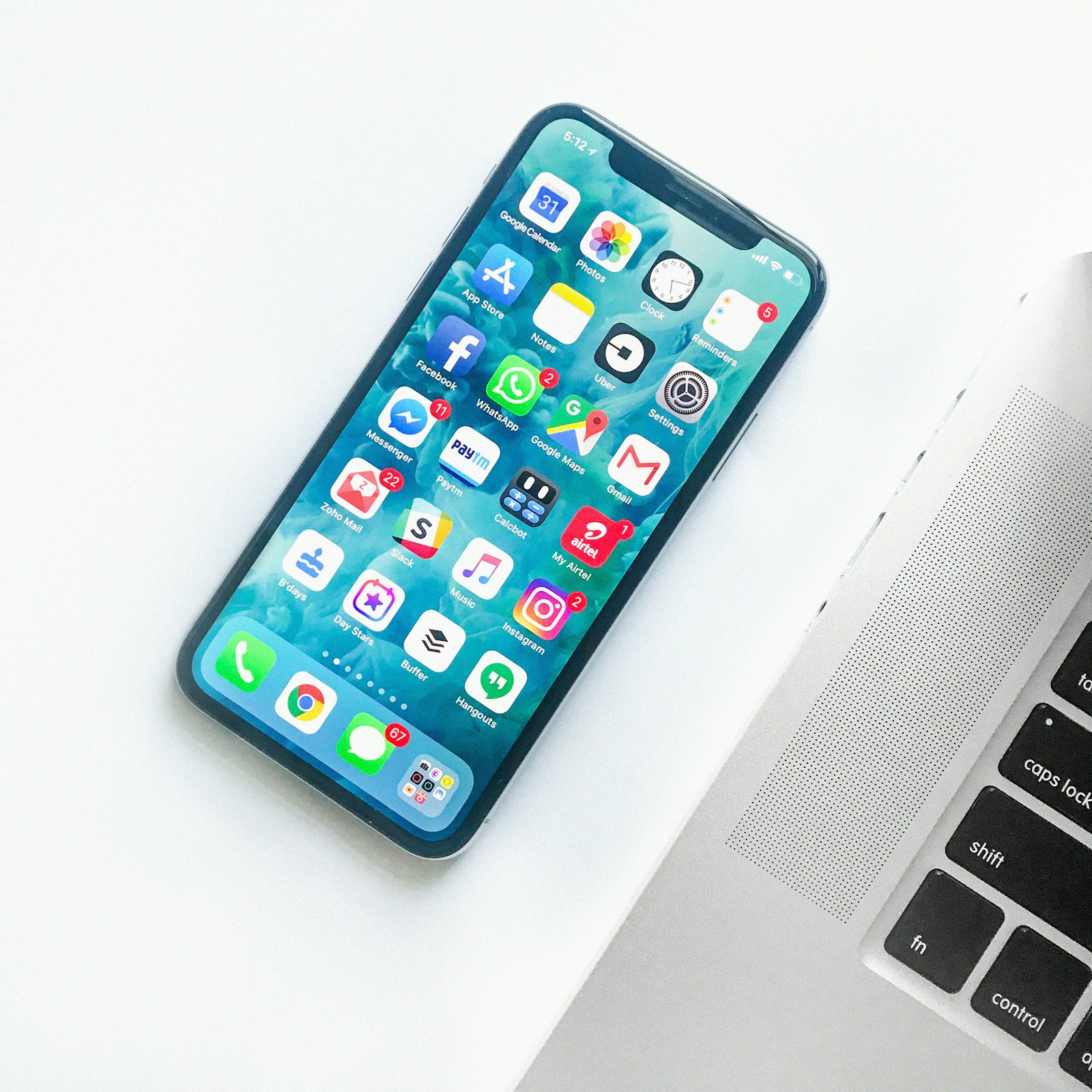
The useful setting is often already in your hand.
Devices
A provider-neutral way to find out whether a handset supports eSIM technology.

The useful preparation happens before boarding.
In transit
Connectivity is a tool for timetables, not a promise that every valley will be online.

The route is a better starting point than a slogan.
Questions
Plain answers about installation, roaming, data settings and the role of a physical SIM.

Useful advice should say where its limits are.
Our desk
Our approach to independent, unhurried publishing about travel connectivity.
The small explanation
An eSIM is a digital form of SIM technology built into some phones, tablets and watches. Instead of handling a little plastic card, a traveller can add a cellular plan through the device settings, usually using details supplied by an operator or other provider. That distinction sounds technical until you are in the arrivals hall with a bag, a half-charged phone and an address that is not loading.
What matters is not the novelty. It is the separation of roles. A traveller may keep a home number in place for calls or messages while choosing another data option for a trip, if the device and plan arrangements allow it. Others will prefer a physical SIM, especially where a local shop, a particular phone model or a personal habit makes that simpler. Our device notebook explains how to check the starting point without assuming a brand or model is supported.
The useful question is modest: which arrangement leaves you able to find the hotel, check a gate change and reach the people who expect you? That is why our longer eSIM activation walkthrough begins at home, not at the checkout screen.
By place, not by promise
Use the quiet minutes after landing to save a pin, tell a host your flight made it and check the train into town. Downloading essentials beforehand means public Wi-Fi is a convenience, not a rescue.
A delayed connection can turn a familiar route into a search for platform changes. Keep tickets available offline; data is most helpful as a second source, not the only record.
A multi-country itinerary needs a slower read. Roaming terms, plan regions and device settings may not map neatly to the line on a paper itinerary.
For remote work, ask what the work actually needs: a call, a file, a two-factor code or an afternoon without hunting for a password on the wall.
On a longer stay, connectivity becomes domestic: transit, a grocery order, a late key message and the address of the nearest pharmacy.
The same principle carries from a ferry crossing to a night train: download what must be certain, then let international mobile data help with the unexpected. Read practical notes for Germany, France, Spain and seven more European stops before making a route-wide assumption.
Pocket inventory
The handset is one part of the picture. A few minutes with the settings, carrier status and a saved recovery option can prevent a great deal of platform-side improvisation.
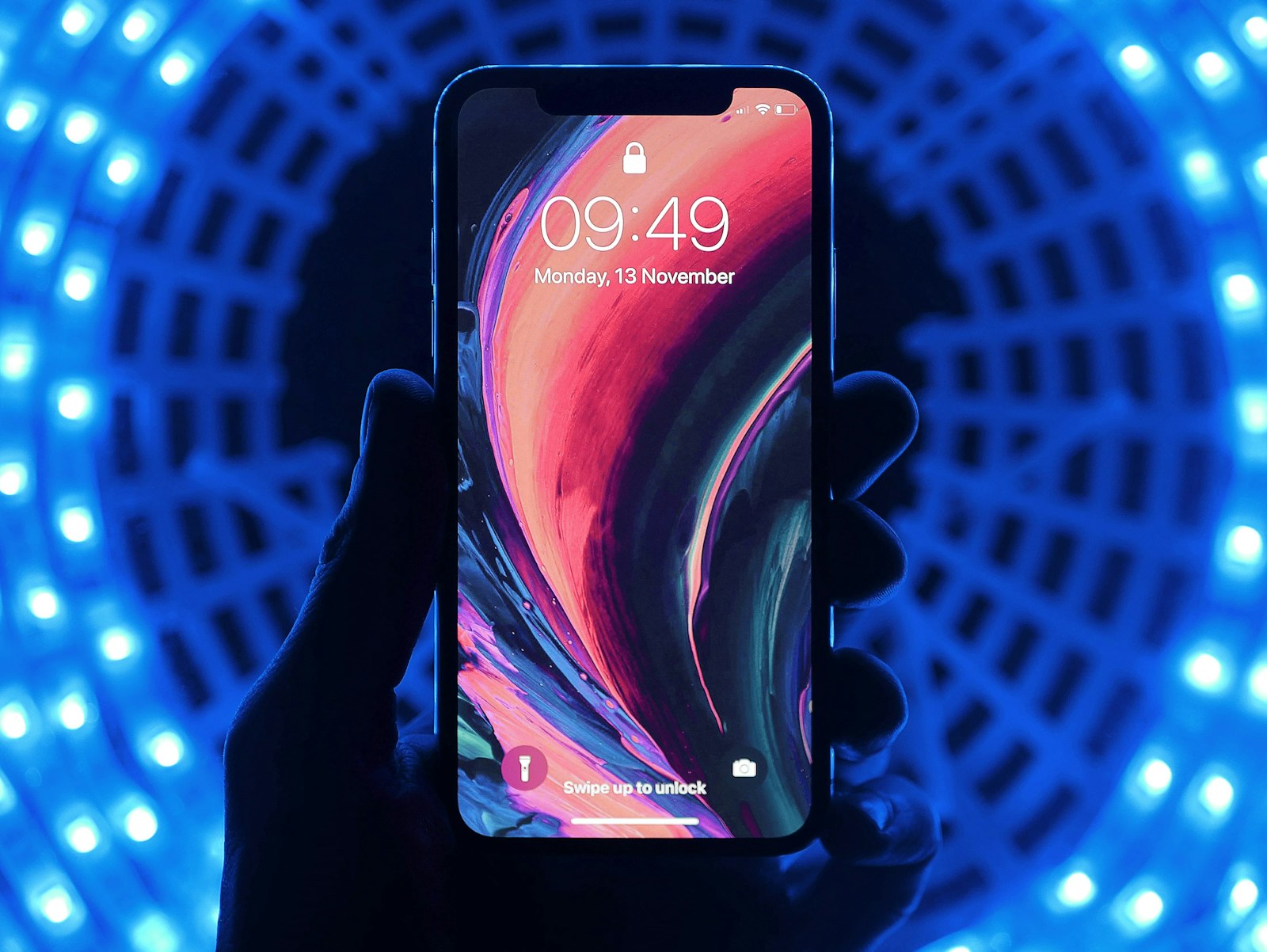
Start in the settings, where the answer is usually clearest.
Look for cellular-plan or SIM-management language and confirm the specific model with its manufacturer or operator where needed.

A saved account recovery route is part of packing.
Think through messages from a bank, airline or family member before changing any SIM settings that affect your usual number.

The itinerary decides which preparation has value.
Offline maps, downloaded tickets, a charging cable and a written address make a data interruption less dramatic.
Read the device-by-device checks for iPhone, Samsung Galaxy, Google Pixel, Xiaomi, Motorola and tablets.
Folded questions
Sometimes, but not automatically. It depends on the device, the plan arrangements and what you need your regular number to do. Many travellers use a digital SIM for data while keeping another line available; others choose one arrangement only.
Read the provider's instructions first. Installation and activation are not always the same event. A setup that needs a network connection is often easier to complete while you still have dependable Wi-Fi and time to read each screen.
No single travel rule covers every visitor, plan or route. Roaming conditions are set by the relevant operator or provider, and a trip that includes several countries deserves a specific check before departure.
Begin with the ordinary things: check airplane mode, which line is set for data, whether mobile data is enabled and whether the device has the needed instructions. Our full practical FAQ lays out a calm troubleshooting order.
A quiet mailing list
If we publish occasional field notes, you can ask to receive them by email. This is a plain mail request, not an account: esimgu. does not sell contact details or operate a tracking list.
The margin note
There is a particular kind of friction that arrives after a long journey: the itinerary is technically complete, but the small information around it is not. A bus stop has moved, a restaurant has sent a message in a language you have only partly learned, or the host asks for a photograph of a lockbox. We make room for that ordinary work because it is where a phone becomes less of a distraction and more of a practical companion.
The aim is not to be online every minute. Good travel days still include a map folded at the wrong corner, a train window without a signal and an hour in a museum with the phone put away. What helps is deciding in advance which details must be available: the next address, the last train, a contact at home and enough battery to use them. Digital connectivity for travellers works best as a quiet background arrangement.
We return to that idea in our articles because it changes how a person compares options. Ask first about the sequence of a day: will a number need to receive a code, will a laptop join a call, does a crossing add another jurisdiction, can a key ticket be saved? Only after that does the language of a travel eSIM or roaming plan become useful. It is a more patient approach, and usually a better one.
If your route is already taking shape, read the country notes beside the booking confirmations, then leave a little space for the unplanned turn. Europe rewards that combination of preparation and wandering.
The best travel preparation leaves more room for looking out of the window.
A notebook like this is most useful before the trip starts. Read one page, save the essential details, then let the route have some air around it. The connection should help you notice where you are, not make the whole journey feel like a settings menu.